Pedagogical Trilogy
Talking
Talking
Economics
Economics is not arcane knowledge, but the key to understanding the world and our daily decisions.
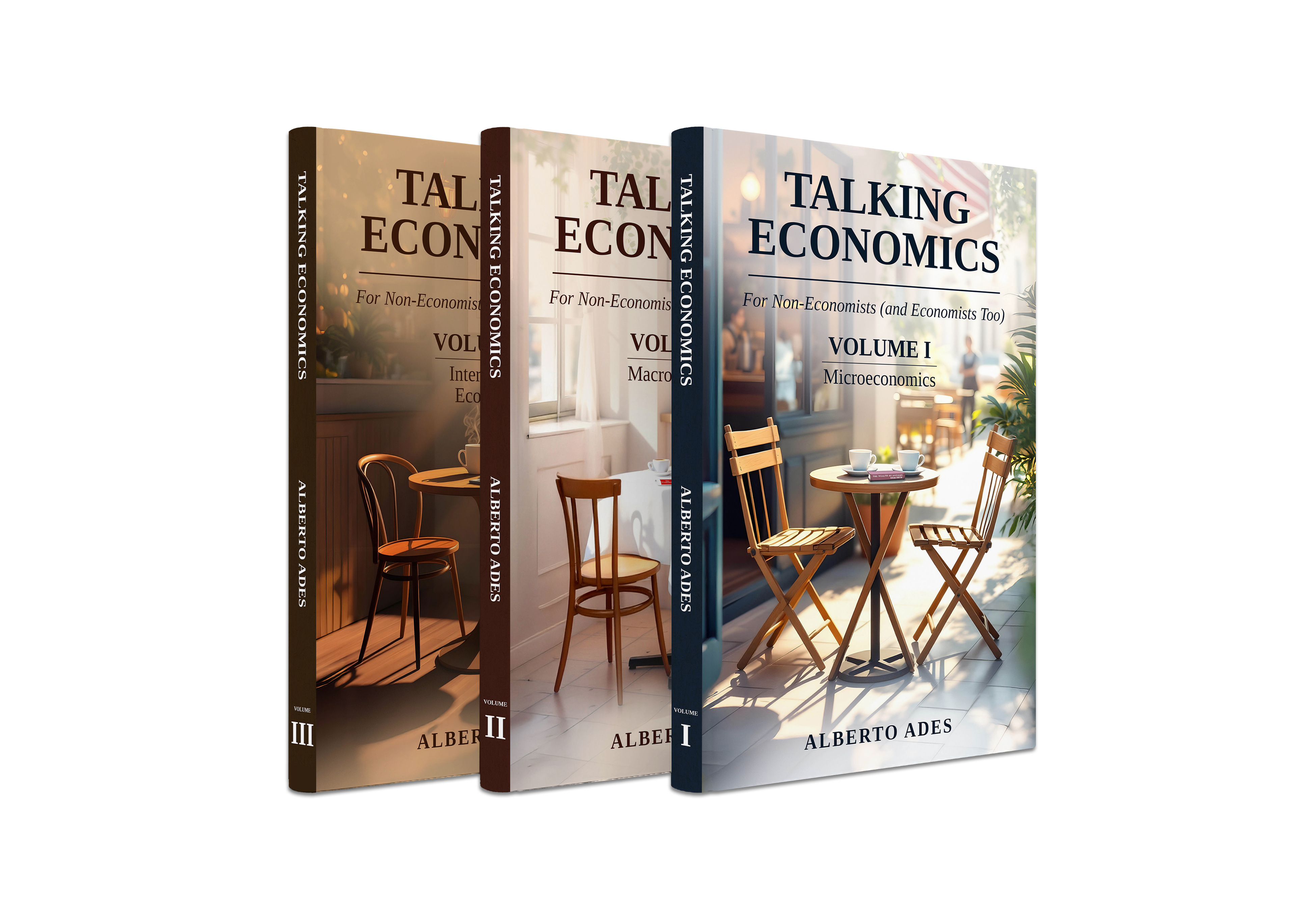
Economics is not arcane knowledge, but the key to understanding the world and our daily decisions.
Talking Economics is a pedagogical trilogy that explores consumer and business behavior, monetary and fiscal policy, trade, and international finance. It does so through rigorous dialogues and imaginary interviews with iconic economists, from Adam Smith to Paul Krugman.
Across three volumes, the work reveals that economics is not a set of abstract formulas, but a powerful lens for interpreting our daily decisions in the face of scarcity.
More than transmitting knowledge, this work proposes a new way of thinking about the world, its resources, and our place in it. Discover economics like never before: through questions, not dogmas.
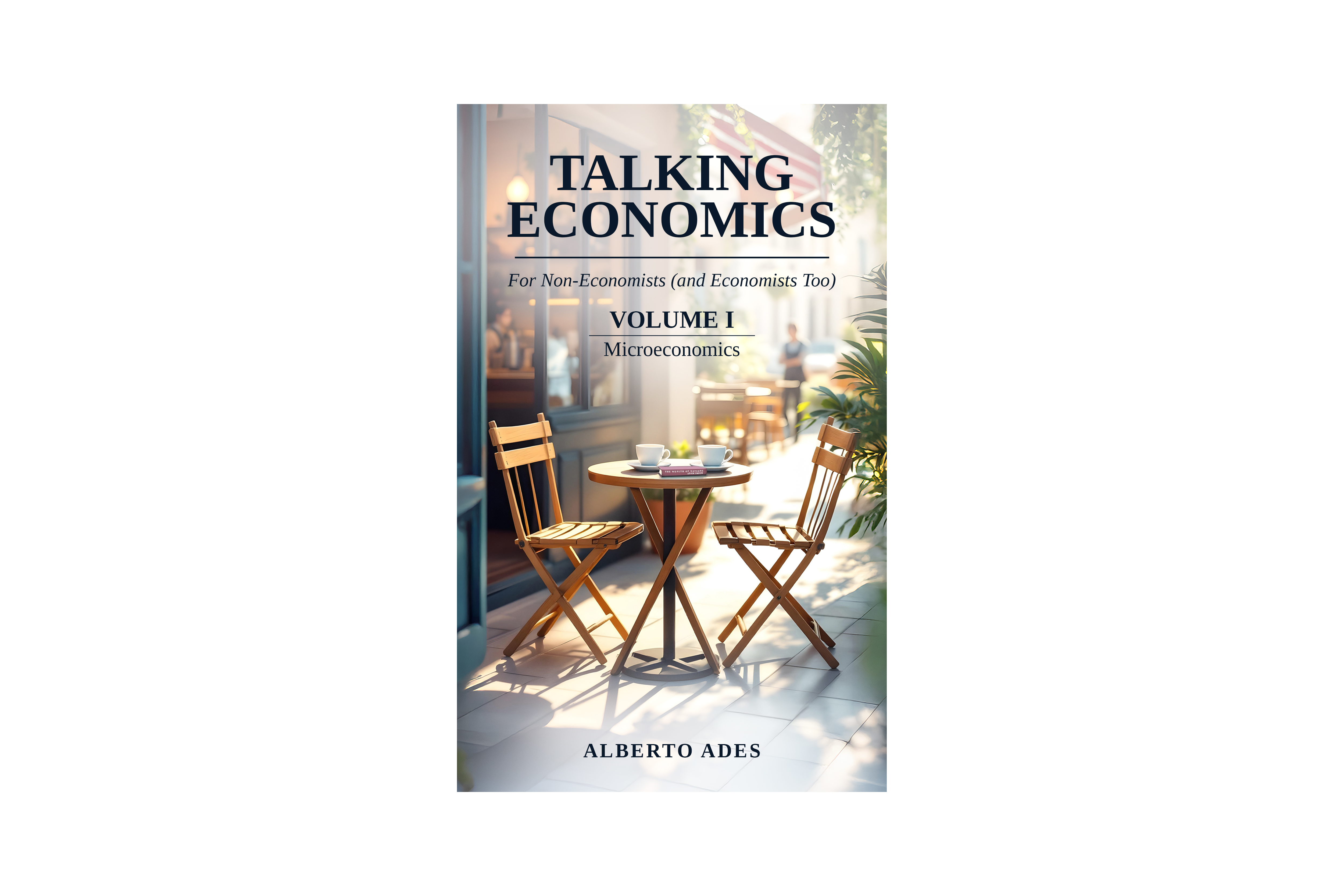
Microeconomics
This first volume presents the fundamentals of microeconomics — scarcity, incentives, prices, and resource allocation — through questions that stimulate critical thinking. With clear prose and everyday examples, it analyzes consumer and business behavior, market structures, and the foundations of game theory.
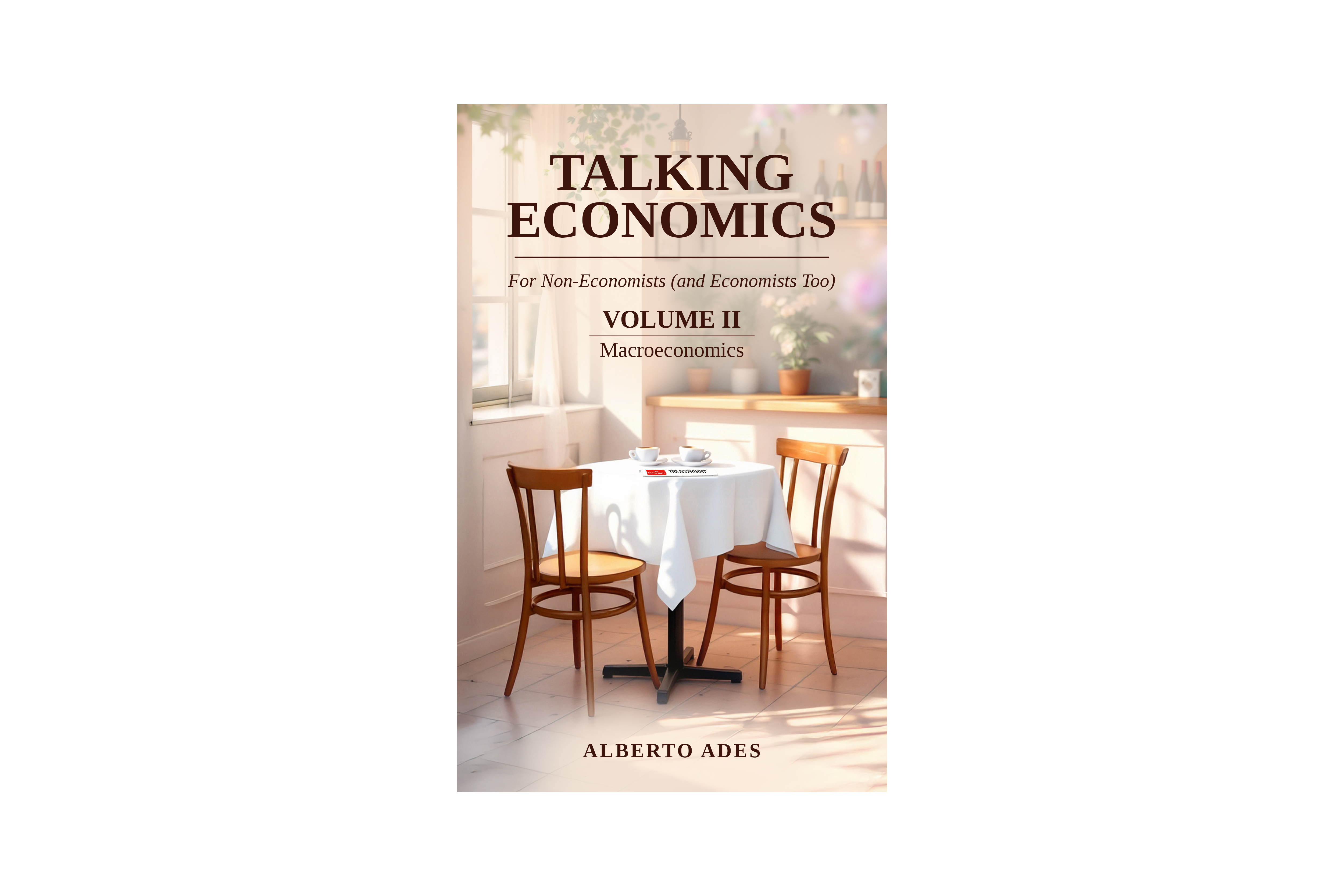
Macroeconomics
This second volume delves into the great themes of macroeconomics: economic growth, business cycles and unemployment, inflation, fiscal and monetary policy, public debt, and central banking. Socrates, Glaucon, and leading economists guide the reader in connecting theory with the dilemmas of modern economies.
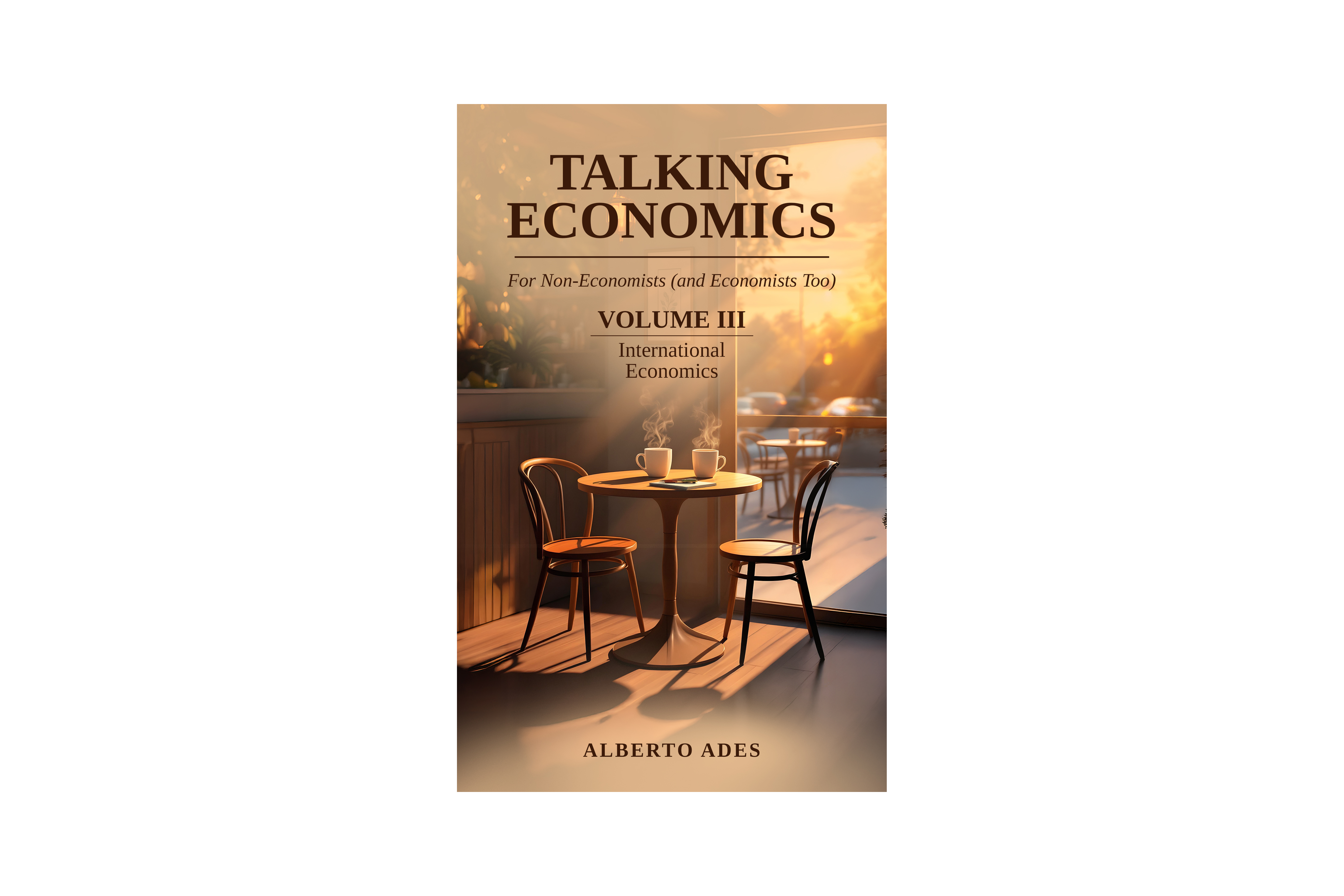
International Economics
This third volume completes the trilogy, addressing the great questions of international economics and global finance: international trade, exchange rates, balance of payments, capital flows, financial crises, central banks, and new monetary technologies.
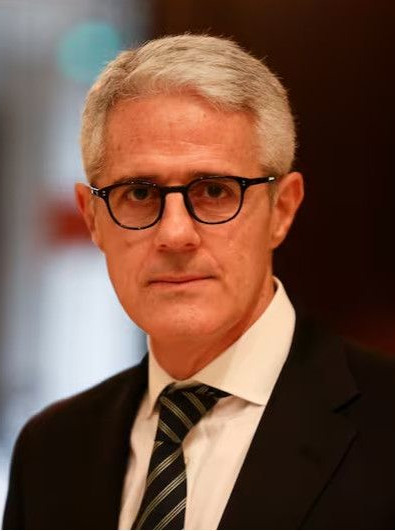
A fresh take on economics that's both serious and clear — you don't have to choose between the two.

Brings back real thinking — no jargon, no fluff.

It doesn't replace economic theory — it makes it human, relevant, and easy to grasp.

Talking Economics brings back what's missing from today's debates: clear, compelling arguments.

Teaches without lecturing, explains without dumbing down, and gets you thinking without intimidating.

Essential reading for anyone trying to make smart decisions in today's uncertain economy.

Finally — a book that explains complex economics clearly without leaving out what matters.
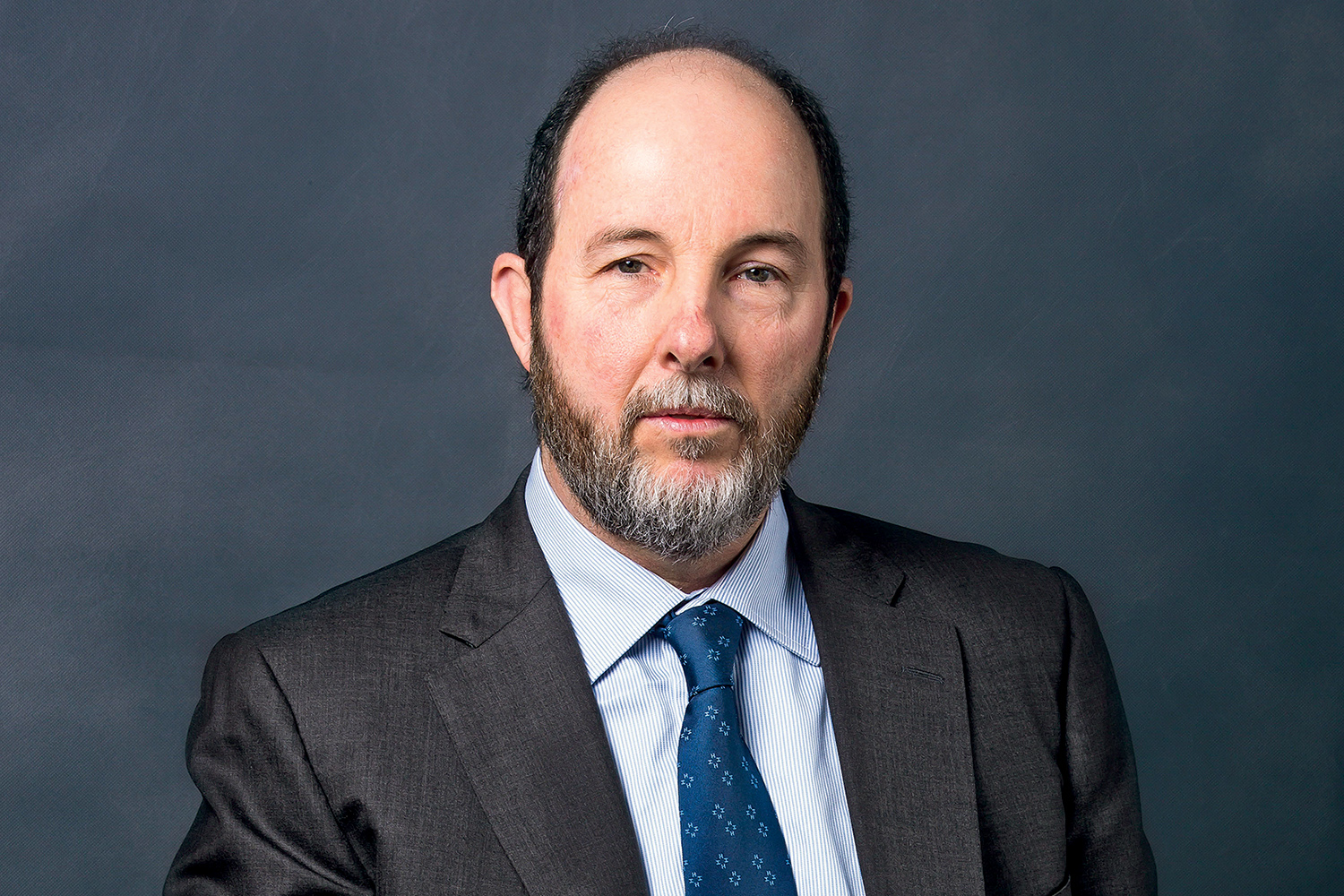
Learn economics the way it should be taught: through real conversation.